Recent News

DPRG @ ISBNPA XChange 2021

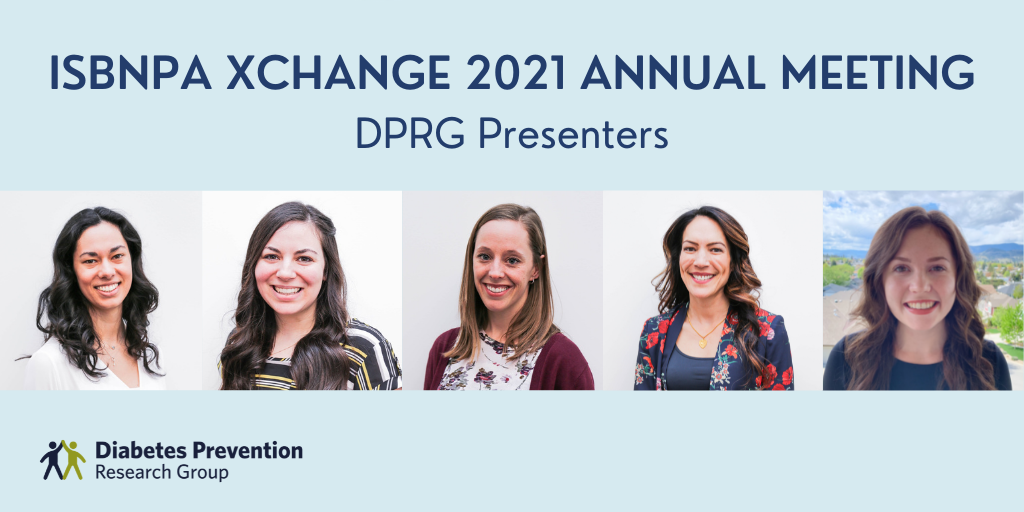
There was a strong Diabetes Prevention Research Group presence at last week’s IBNPA XChange 2021 Annual Meeting! Learn more about our presentations, below.


How do we know what to say? Refinement of a Bank of Messages Targeting Diet and Physical Activity Through End-User Evaluation

MacPherson, M.M., Johnston C., Cranston, K., Locke, S., & Jung, M.E.

Purpose: Given the increasing reliance on mobile technologies and widespread use of short messaging services (SMS) as a communication strategy, SMS provides an opportunity to improve the delivery of healthcare virtually. SMS has been shown to be an effective way to reach a broad audience engaging in physical activity and dietary interventions. However, limited evidence exists regarding the development or receptivity to SMS content. Understanding how interventions are developed is necessary for future research to implement effective SMS interventions.

Methods: The study design consisted of two phases. 1) Evaluation: Five SSBC trainers and 13 past SSBC participants were asked to review a bank of 124 SMS messages using a 5-point Likert scale on readability, usefulness, and relevance. Each message was followed by an open text box for suggestions on improvements. 2) Refinement: an average score was calculated for each message (ranging from 3-15). Any message with a score <14 was refined using participant feedback.

Results/findings: On average, messages received a score of 13.77/15±0.76, with SSBC trainers scoring messages 0.81 higher than did past participants. Questions received an average of 2.6 suggestions for improvement (range=0-5). 60 messages received a score <14 and were edited based on feedback from participants; 23 messages received a score >14 but had multiple suggestions so were refined based on feedback; 11 messages received consistent critique revolving around applicability to the program and were removed.

Conclusions: This study involved the evaluation and refinement of a bank of SMS messages which are suitable for use following the SSBC program. These messages are based on behaviour change theory and have been refined based on feedback from those with lived experiences as diabetes prevention program trainers and participants. The message bank, that was positively assessed by those representative of future message senders and recipients, will prompt participants to adhere with the diet and exercise changes they made during the SSBC program.


Implementation evaluation of a diabetes prevention program when delivered by a community organization

Dineen, T., Bean, C., & Jung, M. E.

Purpose: With type two diabetes on the rise, there is a need for more prevention programs to reach the large number of at-risk individuals. The purpose of this research was to examine the implementation process, strategies, and multilevel contextual factors as an evidence-based diabetes prevention program was implemented into two local community organization sites. In-depth reporting of implementation strategies and context are needed to support future studies.

Methods: Small Steps for Big Changes is a brief-counselling diet and exercise modification program for individuals at-risk of developing type 2 diabetes with demonstrated success.  A one-year partnered planning process with a local not-for-profit community organization co-developed an implementation plan for the translation of this project. This research was guided by a pragmatic epistemology. Semi-structured interviews were conducted with community organization staff who delivered the program (n = 8), and a focus group was completed with implementation support staff (n = 5) from both community sites. Interviews were transcribed verbatim and thematically analyzed using a template approach. The consolidated framework for implementation research (CFIR) was used to guide the analysis of this study. The CFIR is a multilevel implementation determinant framework with strong theoretical heritage. Within the template approach, themes were first inductively identified to ensure all salient ideas were captured, then identified themes were deductively linked to CFIR constructs.

Results: Implementation strategies used were appropriate, well-received by staff and promoted successful implementation. Several CFIR constructs were identified from all five domains: (a) process, (b) intervention characteristics, (c) outer setting, (d) inner setting, and (e) individual characteristics. Specifically, results revealed the partnered one-year planning process, program components and structure, level of support, and synergy between program and context were important factors in the implementation.

Conclusion: This study describes the strategies and contextual factors used to implement a community-based diabetes prevention program into two community sites. Successful implementation was supported by a fully engaged, partnered approach to planning, and subsequently executing, an implementation effort. The CFIR provided a thorough framework to identify and evaluate multilevel contextual factors impacting implementation. Results demonstrate a successful approach to working with a community partner to support implementation.


Evidence-based diabetes prevention program implemented with fidelity by community organization

Dineen, T., Banser, T., Bean, C., & Jung, M. E.

Purpose: In-depth fidelity evaluations remain understudied. Fidelity evaluations examine the extent an intervention is delivered as intended and increases confidence that intervention results are due to the intervention itself. As a program translates from one context to another, knowing exactly what and how it was implemented is critical to understand program outcomes and provide feedback to subsequently scale and inform future research. The purpose of this study was to examine the delivery of, and engagement with, an evidence-based diet and exercise diabetes prevention program when delivered by fitness facility staff within a community organization.

Methods: This pragmatic study investigates the implementation of a community-based diabetes prevention program by a local community organization. Ten staff from this organization were trained to deliver an evidence-based program. Between August 2019 – March 2020, 26 clients enrolled in the program. Three fidelity assessments were completed. First, staff completed session-specific fidelity checklists (n = 156). Second, two audio-recorded counseling sessions from all clients underwent an independent coder fidelity check (n = 52). Third, staff recorded client goals on session-specific fidelity checklists and all goals were independently assessed for (a) staff goal-setting fidelity, (b) client intervention receipt, and (c) client goal enactment by two coders (n = 285). Fidelity scores were calculated for each checklist, converted into a percentage, and compared to independent coder fidelity checklists. Content analysis was used for staff goal-setting fidelity, client receipt of intervention, and client goal enactment.

Results: Average self-reported fidelity was 89.5% for all six sessions. Independent coder fidelity scores for the two assessed counseling sessions were 83% and 81%. Overall, staff helped clients create goals in line with program content clients indicated receipt of the program as intended and had a high goal achievement of 79%.

Conclusion: This study demonstrates relatively low-resource methods to assess program fidelity and client engagement. The program was implemented with high fidelity by fitness facility staff at a community organization and clients engaged with the program as intended. Findings increase confidence that program outcomes are due to the intervention itself and provide feedback to refine implementation strategies to support future scale-up efforts.


Using the Behaviour Change Wheel to Develop Text Messages to Promote Diet and Physical Activity Adherence Following a Diabetes Prevention Program

MacPherson, M. M., Cranston, K. D., Locke, S. R., Bourne, J. E., & Jung, M. E.

Purpose: Improvements to diet and physical activity (PA) can reduce the risk of developing type 2 diabetes (T2D); however, long-term adherence to diet and PA is poor. In order to influence T2D risk at a population level, scalable interventions are needed to facilitate behaviour change adherence. Text messaging interventions are a cost-effective way to improve long-term diet and PA changes; however, they often fail to report on theoretical underpinnings of message development. This study aims to describe the development of a bank of text messages to support diet and PA behaviour change adherence following a diabetes prevention program using the Behaviour Change Wheel (BCW). The BCW is a synthesis of 19 behaviour change frameworks which provides structure to intervention design and has been used extensively in health behaviour change interventions.

Methods: The following stages of the BCW were followed: (I) target behaviours and barriers/facilitators to engaging in them; (II) intervention options and policy categories; and (III) relevant behaviour change techniques (BCTs) associated with selected intervention options. A library of text messages was then written to map onto identified BCTs and was coded for BCT fidelity by an independent reviewer trained in BCT identification.

Results: Target behaviours included adherence to diet and PA recommendations. Sixteen barriers/facilitators and 28 associated BCTs were identified through previous qualitative work. One hundred and twenty-four messages were written based on selected BCTs and following the fidelity check, a total of 43 unique BCTs were included in the final bank of messages.

Conclusion: While other research has utilized the BCW to develop text messaging interventions, this is first, to our knowledge, to have an independent coder assess BCT classification in the final message development as a form of fidelity check. This additional step proved imperative in developing a comprehensive picture of the active components within the current bank of messages. By reporting on the theoretical underpinnings and mechanisms of action within text messages, future research can understand not only if these messages are effective, but also why certain messages may be more or less effective, and what combination and dose of messages can optimally influence behaviour change.


What makes up an effective diabetes prevention program: identifying behaviour change techniques and motivational interviewing techniques in a community-based program for adults at risk for type 2 diabetes

Cranston, K.D., MacPherson, M.M., Dineen, T.E., & Jung, M.E.

Purpose: Diet and physical activity programs are effective at reducing one’s risk of developing type 2 diabetes (T2D); however, it is not known what specific techniques lead to optimal outcomes. When developing and implementing diabetes prevention programs in the community, it is imperative that intervention components are thoroughly and consistently reported to understand program effectiveness and help with scaling up. Small Steps for Big Changes (SSBC) is an evidence-based diabetes prevention program that consists of six one-on-one sessions with a coach. Coaches deliver diet and physical activity content to clients using behaviour change techniques (BCTs) and motivational interviewing (MI). BCTs are the specific active intervention components, and MI techniques describe the relational aspects of how intervention components are delivered. By reporting the BCTs and MI techniques, future researchers can better replicate the components and the delivery style of an intervention. The purpose of this study was to comprehensively identify the BCTs and MI techniques within SSBC.

Methods: BCTs and MI techniques were coded within each of the six SSBC session protocols using the BCT Taxonomy v1 and the Table of MI Techniques. To ensure reliable coding, two coders completed the BCT coding and two coders completed the MI techniques coding. Interrater reliability was assessed.

Results/findings: Forty-three BCTs (interrater reliability [kappa]=0.77) and 20 MI techniques (kappa=0.63) were identified within the SSBC protocols (mean BCTs per session=30; mean MI techniques per session=16). SSBC sessions specifically focussed on the BCT categories of “Goals and Planning”, “Feedback and Monitoring”, and “Repetition and Substitution”, and the MI technique processes of “Engaging” and “Evoking”.

Conclusions: Detailed reporting of intervention components are necessary for future reviews to accurately test which intervention components are effective in eliciting change in desired outcomes. This study revealed the use of a greater number of BCTs in the SSBC program compared to the numbers of BCTs reported in a number of T2D programs. In general, more thorough reporting of BCTs used in interventions will progress the field of health behaviour change. Further, the detailed reporting of the specific techniques within SSBC can be used to inform development of future diabetes prevention programs.

Graduate Research Day 2021

This week, several DPRG graduate and undergraduate students presented at the 2021 UBC Vancouver & Okanagan Graduate Research Day on May 11 & 12.

Learn more about our student presentations, below.

Kaela Cranston

Process through partnership: The analysis, design, and development of an online training platform for Small Steps for Big Changes coaches with YMCA staff

Introduction. Small Steps for Big Changes (SSBC) is a diabetes prevention program that aims to empower individuals with prediabetes to make diet and exercise changes. Previously, SSBC coaches have been trained through a 3-day in-person workshop. In order to improve SSBC’s reach, an online platform is necessary to train coaches in a less resource-intensive manner. The creation of the SSBC online training platform was guided by the 5-phase analysis, design, development, implementation, and evaluation (ADDIE) model. The purpose of this project was to describe the analysis, design, and development phases of the SSBC online training platform. Methods. Focus groups with previously trained SSBC coaches were conducted to determine what skills, knowledge, and attitudes future coaches need to gain and how information should be delivered during the training. The research team worked with 3C Institute and SSBC coaches to determine learning objectives and the best way to deliver didactic and experiential components, develop scripts for the online modules, develop storyboard proofs, film the modules, develop a landing page, and finalize the online platform. Results. Recommendations from SSBC coaches were largely focussed on ensuring there were interactive components in the training and that SSBC content be better integrated with the motivational interviewing content. The final online training platform consisted of 7 modules and a resource centre. Conclusion. Using systematic methodology and engaging end-users and those with expertise in developing online learning platforms was necessary to develop a high-quality SSBC training platform for future scale-up.

Special congratulations to Kaela for winning Best Long Presentation Award for her presentation!


Tineke Dineen

Implementing a diabetes prevention program within a local community organization: A qualitative analysis

With type two diabetes on the rise, there is a need for more prevention programs to reach the large number of at-risk individuals. This research examined the implementation process, strategies, and multilevel contextual factors as an evidence-based diabetes prevention program was implemented into two local community organization sites. Guided by a pragmatic epistemology, semi-structured interviews were conducted with community organization staff who delivered the program (n = 8), and a focus group was completed with implementation support staff (n = 5) from both sites. Interviews were transcribed verbatim and thematically analyzed using a template approach guided by the consolidated framework for implementation research (CFIR). Within the template approach, themes were first inductively identified to ensure all salient ideas were captured, then identified themes were deductively linked to CFIR constructs. Implementation strategies used were appropriate, well-received by staff and promoted successful implementation. Several CFIR constructs were identified from all five domains: (a) process, (b) intervention characteristics, (c) outer setting, (d) inner setting, and (e) individual characteristics. Specifically, results revealed the partnered one-year planning process, program components and structure, level of support, and synergy between program and context were important factors in the implementation. Successful implementation was supported by a fully engaged, partnered approach to planning, and subsequently executing, an implementation effort. The CFIR provided a thorough framework to identify and evaluate multilevel contextual factors impacting implementation. Results demonstrate a successful approach to working with a community partner to support implementation.

Special congratulations to Tineke for winning the People’s Choice Award for her presentation!


Natalie Grieve

Let’s get digital: Examining the effectiveness of an online training program for diabetes prevention coaches

Small Steps for Big Changes (SSBC) is a diabetes prevention program in the Okanagan. SSBC includes guided exercise and counselling sessions for individuals with prediabetes. The program utilizes a motivational interviewing (MI) counselling style, which is a collaborative and client centered approach that aims to strengthen a client’s motivation to change. A standardized “train-the-trainer” workshop has been delivered face-to-face to train SSBC coaches, however this process logistically limits training opportunities and expansion of SSBC to other communities. As such, the development of an online program to deliver training to SSBC coaches is currently underway in partnership with an industry partner that specializes in developing digital learning platforms. The purpose of this project is to test the effectiveness of this new online training program for SSBC. Primary outcomes will include knowledge of diabetes, MI, SSBC content, and self-efficacy to deliver the program. User satisfaction and user engagement metrics will also be assessed. Outcomes will be assessed by psychometrically-sound questionnaires delivered pre- and post-study, as well as user engagement data. Once effectiveness of the online training program has been demonstrated, SSBC will be able to expand to more communities in a cost-effective and sustainable manner, while maintaining high program fidelity. Ultimately, this will allow the research team to extend their reach and help more Canadian adults living with prediabetes.


Cara Johnston

Diet and exercise interventions for ethnically diverse populations at risk for type 2 diabetes: a scoping review

Previous reviews have highlighted the efficacy of lifestyle diabetes prevention programs (DPPs) in decreasing the risk of type two diabetes (T2D). Ethnically diverse populations in high-income countries such as the United States and Canada are disproportionately affected by T2D; therefore, there is a need for research to focus on sustainable implementation and translation of DPPs to diverse ethnic populations identified as most at risk for developing T2D. This work aims to improve future DPP implementation by synthesizing intervention characteristics within published DPPs targeting ethnically diverse populations. An ongoing scoping review is being conducted to synthesize all published DPPs. Medline, CINAHL, PsycINFO, Embase, and SPORTDiscus were searched for terms relating to T2D risk and lifestyle programs. This project represents a sub-analysis of DPPs created for at risk adults who are part of an ethnically diverse population. Data regarding study characteristics will be systematically extracted using the Template for Intervention Description and Replication (TIDieR) checklist. 18,795 titles/abstracts were screened for inclusion. 789 progressed to full text review resulting in 200 DPPs. 39 DPPs were identified as targeting ethnically diverse populations and were included in this sub-analysis. Data extraction is currently underway and will ultimately inform future researchers on the scope of DPPs targeting ethnically diverse populations. Understanding how interventions targeting ethnically diverse populations are currently being implemented and summarizing them in a single location can assist future DPP developers in creating more targeted interventions, allow for more effective translation of DPPs, and reduce T2D in those most at risk.


Megan MacPherson

Developing a library of theory-based text messages to promote behaviour change adherence following the Small Steps for Big Changes diabetes prevention program

Diet and physical activity (PA) improvement can reduce type 2 diabetes (T2D) risk; however, long-term adherence to diet and PA is poor. Text messaging (SMS) is a cost-effective way to improve long-term diet and PA changes; however, SMS interventions often fail to report theoretical underpinnings. This study describes the development of a SMS library targeting diet and PA adherence following a diabetes prevention program using the Behaviour Change Wheel (BCW). The BCW is a synthesis of 19 behaviour change frameworks which provides structure to intervention design and has been used extensively in health behaviour change interventions. The following BCW stages were followed: identify (I) target behaviours and barriers/facilitators to engaging in them; (II) intervention options and policy categories; and (III) relevant behaviour change techniques (BCTs) associated with selected intervention options. A SMS library was then written to map onto identified BCTs and was coded for BCT fidelity. Target behaviours included adherence to diet and PA recommendations. Sixteen barriers/facilitators and 28 BCTs were identified through previous qualitative work. A total of 124 messages were written. Following the fidelity check, 43 unique BCTs were included in the final message library. Previous studies using the BCW have not checked BCT fidelity following intervention development. This step proved imperative in developing a comprehensive picture of active components. By reporting on the theoretical underpinnings, future research can understand not only if these messages are effective, but also why certain messages are more/less effective, and what combination of messages optimally influences behaviour.


Blessing Adeagbo

Receptiveness to Workplace Exercise

Physical activity in the general population is decreasing, while sedentary behaviours are concurrently increasing – and these trends have only been magnified in light of the COVID-19 pandemic. These patterns of behaviour have deleterious effects on health and therefore are an important target in improving population health outcomes. Adults spend a large proportion of their sedentary time in the workplace, where they are often required to spend long hours sitting and limited time moving. Further, COVID-19 has led to an increased proportion of people working from home. As such, the work environment is a viable target for physical activity interventions. “Exercise snacks” – short bouts (e.g., 20-60 seconds) of high-intensity exercise with 1-4 hours of rest in-between each bout – are one possible intervention. However, many workplace interventions are not informed by a comprehensive appraisal of all relevant behaviour change techniques, leading to ineffective programs and short-lived behaviour change. Therefore, the purpose of this study is to 1) investigate the determinants of participation in workplace exercise, 2) assess potential differences between individuals who work from home versus on-site, and 3) explore the considerations around the incorporation of exercise snacks into the workplace. Full time employees who report 6+ hours per workday of sitting and/or standing still will be recruited to participate in this study. Determinants and receptiveness will be assessed using a self-report survey, which includes the Determinants of Physical Activity Questionnaire. The findings from this research will help inform the development of future workplace exercise interventions for effective behaviour change.


Congratulations on your hard work and excellent presentations, Kaela, Tineke, Natalie, Cara, Megan, and Blessing!

May 14 deadline to apply for the UBC Stober Foundation PhD Fellowship

It’s not too late to apply for the UBC Stober Foundation PhD Fellowship!

Are you a motivated student interested in:

  • Prediabetes & diabetes prevention
  • Behaviour change interventions
  • Community-based Programs
  • Implementation Science

You could be the DPRG’s next PhD candidate!

The Diabetes Prevention Research Group is actively seeking applications for a UBC Stober Foundation funded PhD fellowship. The successful candidate will be supervised by Dr. Mary Jung and should have a track record of research in health behaviour change. Previous experience working with community populations would be an asset.

For more information, please see the UBC Stober Foundation Fund project page or the project description handout here.

Deadline to apply: May 14, 2021

Interested applicants should connect with Dr. Mary Jung as soon as possible to discuss the application process.

Congratulations to our 2021 DPRG Honours Students!

Last Friday, our three DRPG honours students successfully defended their honours theses! A huge congratulations to Jenna Sim, Alexa Durand, and Blessing Adeagbo for their hard work with the DPRG team. It has been an honour to have all three students with us this year, and we cannot wait to see what’s next for them all.

Learn more about the research projects that Jenna, Alexa, and Blessing have been involved with this year below.

Jenna Sim

Saying goodbye to biases: Examining whether a 20-minute online module can reduce Human Kinetic students’ explicit biases on weight and race

Objective: Many healthcare practitioners hold explicit biases. Two common types of explicit bias seen in healthcare are weight and
racial bias. The bias a practitioner holds can have negative effects on the quality of care provided to their patients. Small Steps for Big Changes (SSBC) is a diabetes prevention program designed to empower individuals at risk of developing type 2 diabetes to make diet and exercise changes in their life. It is important to train SSBC coaches on cultural safety and inclusivity (CSI) to try to reduce the explicit biases they may hold towards future SSBC clients. The goal of this study was to examine whether existing weight and racial bias in undergraduate Human Kinetics students (a population representative of SSBC coaches) could be feasibly reduced. A brief cultural safety training module was developed for SSBC coaches. It was hypothesized that, compared to students who did not read the CSI module, students who read the CSI module would report less explicit weight and racial bias.

Methods: 22 UBC Okanagan Human Kinetics undergraduate students (82% women) were recruited through classroom visits and online postings. Participants were randomly divided into four groups: CSI Indigenous vignette, non-CSI Indigenous vignette, CSI overweight vignette, and non-CSI overweight vignette. The two CSI groups read the module, and the non-CSI groups watched an irrelevant neutral video matched for length of time to the CSI material. Participants then read a written vignette describing a mock SSBC client who was identified as either Indigenous or overweight. Explicit bias was measured by asking participants to rate the mock SSBC client on their competence, compliance, reliability and motivation.

Results: There was no significant difference (p=0.41) in explicit bias between the CSI Indigenous group (mean=4.50;SD=1.19) and the non-CSI Indigenous group (mean=5.03;SD=0.91). Similarly, there was no significant difference (p=0.31) in explicit bias between the CSI overweight group (mean=5.04;SD=0.76) and the non-CSI overweight group (mean=4.25;SD=1.55).

Conclusion: These findings suggest that there was no difference in weight or racial explicit bias between those who read the brief CSI module and those who did not read it. On average, both the students who read the module and those who were in the non-CSI groups rated the mock clients as competent, compliant, reliable and motivaated. Human Kinetics students may not hold negative explicit biases about potential behaviour change clients based on weight and ethnicity, although caution should be made with interpretations as this analysis
is being conducted on a portion of the full sample size anticipated. Further research needs to be conducted to examine the effectiveness of watching this module on SSBC coaches’ explicit biases, as well as to examine whether these coaches have implicit racial and weight biases that may lead to negative client healthcare experiences.

Link to thesis presentation

Alexa Durand

Digital Diabetes Prevention Programs: A Scoping Review

Objective: Type 2 diabetes (T2D) is a major cause of heart failure, kidney disease and amputations that places a large economic burden on the Canadian health care system. Fortunately, in the majority of cases, incidence of T2D can be prevented or delayed through modifiable lifestyle factors such as diet and or exercise. The increasing reliance on technology in everyday lives can be leveraged to improve reach of DPPs. The goal of this review is to summarize results and what specific intervention characteristics are used in digital diet and exercise interventions targeting diabetes risk and provide a single location where future researchers can find a compilation of current digital diabetes prevention programs.

Methods: In this scoping review, multiple electronic databases were searched for general key terms related to prediabetes or diabetes prevention combined with interventions or programs. Specific eligibility criteria were created to ensure consistent screening guidelines between the reviewers. Each title and abstract, then full text were screened by 2 independent reviewers. All eligible studies were screened to identify digital diabetes prevention programs. The TIDieR checklist was used to extract the relevant information from each study.

Results: 18,795 titles and abstracts were screened resulting in 788 eligible full-text studies to be reviewed. After full-text screening there were 200 programs eligible for data extraction and of those, 31 programs were digital diabetes prevention programs. Data extraction using the TIDieR has been completed for 14 studies and is ongoing for the remaining 17. Mode of delivery included mobile phone applications (n=6), websites (n=7) and texting (n=1). Majority of these DPPs were conducted in America (n=7), with participants identifying most commonly as white (49%). The majority of the studies had contact with the participants about twice a week, however this ranged from daily messages to monthly phone calls. The majority of the studies had the participants working with a health coach or trainer to help guide and support the participants to reach their diet and/or exercise goals. Digital DPPs consistently underreport use of theory (only 1 discussed theory use) and demographic data (only 4 of the 14 analyzed thus far provided demographic information, and of those, none reported on both sex and gender).Majority of the completed studies showed positive results such as, improved weight loss (n = 6), decreased values of HbA1c (n = 3) and a general acceptance of the use of digital platforms for diabetes prevention programs (n = 3). Ongoing analysis for the remaining 17 studies will add to these findings.

Conclusion: While Digital DPPs are consistently shown to positively impact diabetes risk and are well accepted, future research is needed to know which mode of digital delivery is best and how these digital programs may differentially influence and can be tailored for different population groups. These components are important because the use of a digital format for diabetes prevention programs can help to provide resources to individuals who aren’t able to or have trouble accessing in-person DPPs.

Link to thesis presentation

Blessing Adeagbo

Receptiveness to Workplace Exercise

Introduction: The majority of Canadians are not currently active enough to meet physical activity guidelines. In addition to being
inactive, most Canadian adults are spending long periods of time engaging in sedentary behaviours. A large proportion of this
sedentary time is spent in the workplace – whether that work is conducted at home or on-site. The work environment may be one
viable target for physical activity interventions. “Exercise snacks” – short bouts of high-intensity exercise with 1-4 hours of rest in-between – is one possible mode of delivering physical activity throughout a work shift as it does not require long breaks, change of attire, and could break up long periods of sitting. Understanding perceived barriers and receptivity to workplace physical activity interventions is critical information needed to inform the design of future interventions. The purpose of this study was to 1) investigate determinants of workplace
exercise participation, 2) assess whether motivating factors and receptivity to workplace exercise interventions differ based on workplace location, and 3) explore receptivity of exercise snacks as a modality of workplace physical activity.

Methods: Thirty-eight full time employees (23 women; Mage = 37.5 ± 12.8 years) who reported 6+ hours per workday of sitting and/or standing still participated in this study. Participants completed an online survey with questions related to determinants of participation in
workplace exercise – using the Determinants of Physical Activity Questionnaire (DPAQ) – and receptivity to exercise snacks in the workplace (1-7 point scale). Participants were dichotomized into two groups dependent on where they spent a majority (i.e., 3+ days/ week) of their weekdays working: at home or on-site.

Results: Scores of ≤ 5 on the DPAQ indicate likely barriers to physical activity participation. In this sample, motivation and goals (M = 4.9), action planning (M = 4.6), coping planning (M = 3.5), and goal conflict (M = 4.4) were lowest out of the 11 DPAQ areas. For the determinant of motivation and goals, on-site participants had significantly lower mean scores (M = 4.2; n = 10) than at-home participants (M = 5.2; p = 0.04; n = 28). No significant differences were found between at-home versus on-site participants for any other determinant areas. Anticipated enjoyment of engaging in exercise snacks was relatively high for exercise snacks (M = 5.3), and factors that may encourage participation included an exercise-friendly workplace (M = 5.9), performing exercise snacks with co-workers (M = 5.1), and having
informational (M = 5.0) or instructional guidance (M = 5.1). Factors that may discourage participation in exercise snacks included perceived belief that a change of clothes was needed (M = 3.4) and that they would break a sweat (M = 3.7).

Conclusion: These preliminary findings suggest workplace physical activity interventions should target individuals’ motivation and ability to plan exercise sessions, as well as teaching strategies to self-regulate and preplan for exercise sessions. Work location does not appear
to impact which determinants of exercise should be targeted for workplace physical activity interventions. The findings also suggest exercise snacks may present a plausible workplace exercise modality.

Link to thesis presentation

Congratulations, Jenna, Alexa, and Blessing!

Welcome Natalie Grieve and Blanca Gala!

This year, two new MSc students join the Diabetes Prevention Research Group! We are thrilled to welcome Natalie Grieve and Blanca Gala to the team, and cannot wait to learn from their expertise.

Headshot of Natalie Grieve

Natalie Grieve joins the team from Milwaukee, Wisconsin, where she completed her undergraduate degree at Cardinal Stritch University.

Natalie’s research interests are in health behaviour change, pain management and chronic disease. Between Natalie’s undergraduate and current masters degree, she has worked at two different pain clinics, one in Seattle and one in Kelowna!

Natalie is thrilled to join the DPRG team, and can’t wait to explore the ski mountains here in the Okanagan has to offer! She is also an avid tennis player and is certified to tennis coach and a member of the Tennis Professional Association in Canada. One of her favourite quotes is, “Always strive to be your best knowing that you will never get there.”


headshot of Blanca Gala

Blanca Gala joins the team from Mexico City where she completed a bachelors degree in economics (Monterrey Institute of Technology and Higher Education) and a masters in public policy (Autonomous Technological Institute of Mexico). Her masters thesis, “Obesity and overweight, a health public problem derived from the socioeconomic inequality in Mexico”, analyzed how socioeconomic inequity affects overweight and obesity in Mexico, specifically in children.

Blanca’s research with the DPRG will focus on look at the most important psychological and emotional factors that impact the adherence to an exercise and a diet plan, and how these can be improved by continuously self-monitoring. She strongly believes that if researchers can work together with policymakers, chronic conditions such as diabetes can be prevented around the world, making people’s lives longer and happier.

Blanca is thrilled to join the DPRG team and can’t wait to take her dog, Coco, on walks around the Okanagan. She is looking forward to exploring wineries in the Okanagan and learning to ski. Blanca also enjoys running marathons, reading, and baking!


Welcome to the team, Natalie and Blanca!

Meet our Director Dr. Mary Jung

Dr. Mary Jung, Director of the Diabetes Prevention Research Group, was recently profiled in UBC’s Health and Exercise Sciences “Meet your Professor” series. To learn more about Dr. Mary Jung, how and why she got involved in diabetes prevention, and all about opportunities for getting involved in the DPRG, check out the video below and feature article here.


Dr. Corliss Bean profiled in Our Stories at the University of British Columbia

Headshot of Dr. Corliss Bean

DPRG alumni Dr. Corliss Bean was recently profiled with Our Stories at the University of British Columbia!

Until her recent faculty appointment with Brock University, Corliss’ postdoctoral fellowship with the DPRG focused on evaluating the Small Steps for Big Changes program. Corliss works closely with 14 women who participated in the Small Steps program, studying their journey to understand why and how the program is working.

Corliss says, “Throughout my research, the importance of providing people with the tools they need to make their own changes has become so evident. It’s all about prevention.”

Read more about Corliss Bean’s research and story here: https://ourstories.ok.ubc.ca/stories/corliss-bean/

Now seeking PhD Fellowship applications to join the DPRG!

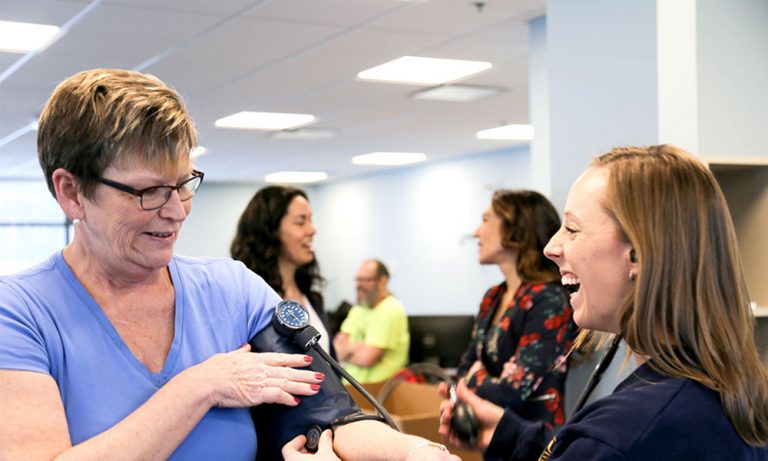
A Small Steps for Big Changes participant checks her blood pressure with help from a health trainer.

The Diabetes Prevention Research Group is actively seeking PhD Fellowship applications for a motivated student interested in investigating implementation science on a community-based diabetes prevention program.

The fellowship is generously funded by the UBC Stober Foundation at $25,000/year for 4 years. The successful candidate will be supervised by Dr. Mary Jung and should have a track record of research in health behaviour change. Previous experience working with community populations would be an asset.

For more information, please see the UBC Stober Foundation Fund project page or the project description handout here.

Deadline to apply: May 14, 2021

Farewell to DPRG Postdocs Sean & Corliss

Sean Locke and Corliss Bean, Postdoctoral Fellows with the Diabetes Prevention Research Group (DPRG) at UBC, will be greatly missed as they embark on the next stages of their careers at Brock University this fall.

Their hard work over the past several years has been invaluable in transitioning the Small Steps for Big Changes pilot study to a large community study based out of YMCAs in the Okanagan and beyond.

Corliss Bean joined the DPRG as Postdoctoral Fellow in fall 2017. During her time with the DPRG, Corliss was awarded the Killam Post-doctoral Research Fellowship Prize (2019), funded through a 3-year trainee award through Michael Smith Foundation for Health-funded Post-Doctoral Fellow, and secured her first tri-council grant as a Principal Investigator (Social Sciences and Humanities Research Council in partnership with YMCA of Okanagan).

Corliss’ work with the DPRG has furthered her passion for community-engaged work with the goal of fostering physical and psychosocial health. She has worked with experts in the field of knowledge translation, reinforcing the importance of making research evidence accessible and relevant.

This fall, Corliss begins her new position at the Department of Recreation & Leisure Studies at Brock University. In her years with the team, Corliss has had excellent teaching, supervisory, and mentoring experiences, leading to lasting friendships and colleague connections.

Sean Locke joined DPRG as a Postdoctoral Fellow in spring 2016. During his time with the DPRG, Sean received Michael Smith Foundation for Health Research (MSFHR) and Diabetes Canada postdoctoral fellowships, and a Social Sciences and Humanities Research Council (SSHRC) Insight Development Grant (as a PI) to study individuals’ biased and negative exercise thoughts. As part of this project, he partnered with the City of Kelowna’s Sport and Exercise programming to test a novel health coaching strategy to help individuals to reframe their negative and biased exercise thoughts.

Sean recalls, “Small Steps has come a long way since 2016 – the YMCA staff are now delivering the program and the partnership has strengthened so much that the program is going to be delivered out of multiple YMCAs. It’s super exciting to see”.

Through his time at the DPRG Sean recalls receiving lots of project coordination and mentorship experience, but also had the autonomy to develop his own research program alongside this work.

Sean said, “Mary and the DPRG are so supportive of one another. I really wouldn’t be where I am, and learned what I learned without the camaraderie within the lab. We had a lot of fun together, but also managed to write a few papers along the way.”

This fall, Sean begins his new position at the Department of Kinesiology at Brock University. He’s moving forward, having developed the right skills with the right partnerships to pursue excellence in teaching and academic scholarship.

Sean and Corliss bring a wealth of experience with them to her new faculty positions at Brock University. Their excellent work, ever-present smiles, positive attitudes, and many contributions to the team will be missed.

The DPRG team wish Sean and Corliss the best of luck at Brock University and beyond!

DPRG Spring & Summer 2020 publications round-up!

DPRG Spring & Summer 2020 Publications Round-upIt’s been a busy six months at the Diabetes Prevention Research Group this spring and summer! Our team has been hard at work translating research findings from our community-based health and exercise programs to publication. Take a look at a few of the articles that our group has published so far this year, below.


Continue reading “DPRG Spring & Summer 2020 publications round-up!”